
Trade-in vs private sale vs part-exchange
Private sale pays most, an instant buyer is fastest, part-exchange is easiest — and the gap between them is often £1,000–£2,000.
What each route really pays, what it costs you in time and hassle, and how to pick the right one for your car.
- Instant / trade buyer
- Fastest and easiest, takes the car faults and all — but pays the least.
- Private sale
- Pays the most, but it’s the slowest and the hardest work — and awkward with a fault.
- Part-exchange
- Most convenient if you’re buying another car, but usually the weakest price of all.
A private sale almost always pays the most, an instant online buyer is the fastest and easiest, and part-exchange sits between them on price while being the least hassle if you’re buying another car. The gap between the quickest route and the dearest is often £1,000–£2,000 on an average car — so the right choice depends on how much that gap is worth against your time.
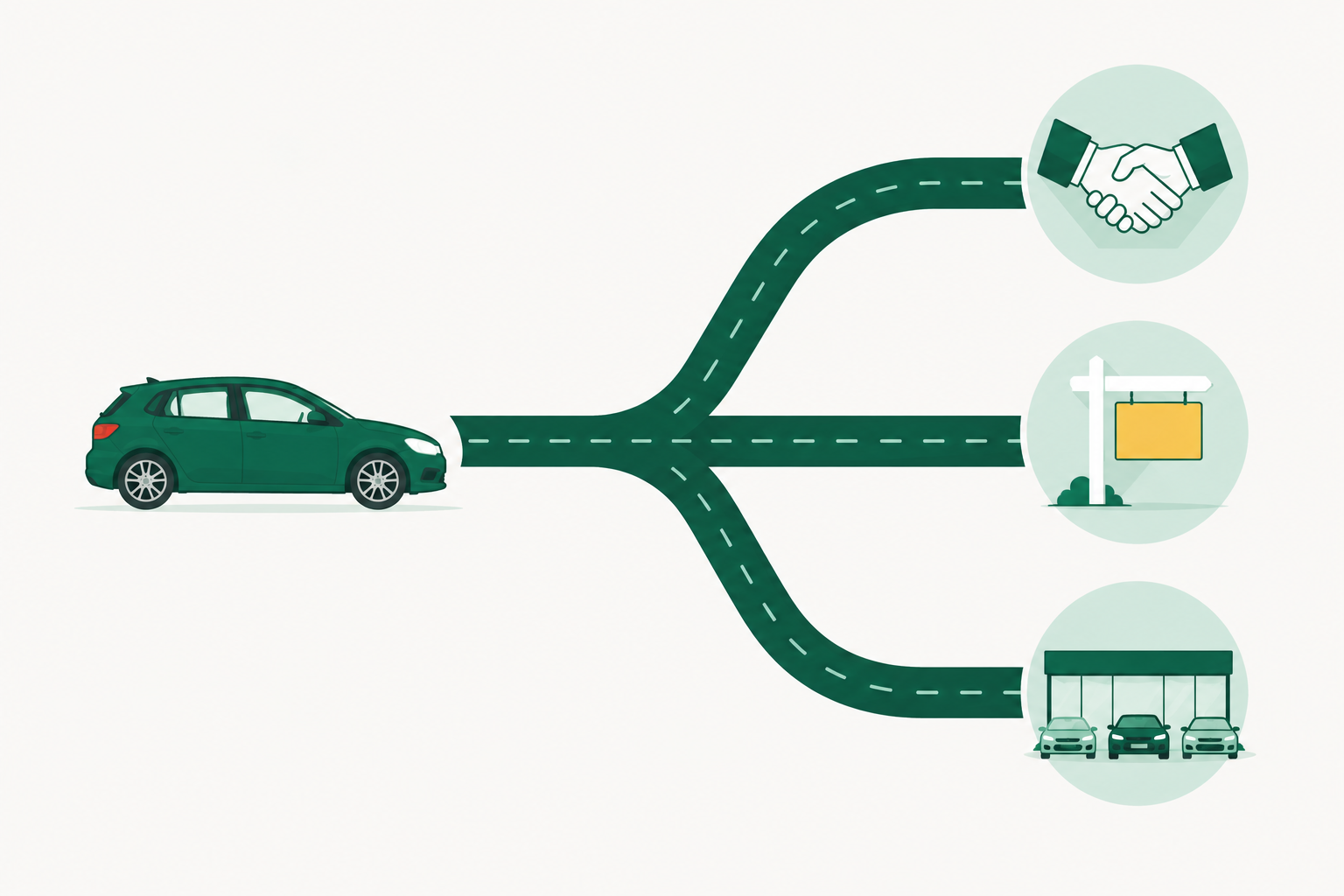
What is a trade or instant-buyer sale?
An instant buyer — an online car-buying service or a dealer buying for stock — gives you a figure up front and takes the car quickly, usually within a day or two, faults and all. It’s the fastest, lowest-effort route, and it’s the lowest price because the buyer is a trader who needs to sell it on again at a profit.
It suits you when speed matters more than squeezing out the last few hundred pounds: a car you need gone this week, a car with a fault you don’t want to explain to a private buyer, or simply a sale you’d rather not manage. Get the figure from a free valuation first, so you know whether the convenience is worth what it costs.
What is a private sale?
A private sale means advertising the car yourself and selling it to another driver. It pays the most because there’s no trader’s margin in the middle — the buyer pays close to what the car is actually worth — but it’s the slowest and the most work: photos, an advert, messages, viewings, test drives, and handling the payment safely.
It’s the right route when the car is clean, has history, and has no fault that a buyer will trip over — and when you have the weeks it can take. A live fault or a failed MOT makes it much harder, because private buyers are wary of both; in that case an instant buyer often nets more once you account for the hassle and the lower offers you’ll get.
What is part-exchange?
Part-exchange means handing your old car to the dealer you’re buying the next one from and knocking its value off the new price. It’s the most convenient route by far — one transaction, no advertising, no second buyer to find — and that convenience is exactly why it usually pays the least. The dealer is doing you a service and prices the car accordingly.
It can still be the right call: the value comes off the purchase in one move, and in some cases it’s handled in a way that saves you time worth more than the difference. But treat the part-ex figure and the price of the new car as two separate numbers, because a generous-looking trade-in can hide a thinner discount on the car you’re buying.
Part-exchange feels free because no money changes hands for the old car. It isn’t. The cost is the gap between what a dealer allows and what you’d have got selling it yourself — and that gap is easy to hide inside a new-car deal.
Which one pays most?
Private sale pays most, trade or instant-buyer pays least, and part-exchange lands in between — but price is only one of four things that matter. Speed, effort and how well the route copes with a fault all move the decision, and the fastest route is almost always the cheapest.
| Route | Price | Speed | Effort | Best for |
|---|---|---|---|---|
| Private sale | Highest | Slowest | High | Clean car with history and time to sell |
| Part-exchange | Middle | Fast | Low | Buying another car and want it simple |
| Instant / trade buyer | Lowest | Fastest | Lowest | Speed, or a car with a fault or failed MOT |
The gap between the highest and lowest route is often £1,000–£2,000 on an average car — larger on desirable models, smaller on older or faulty ones.
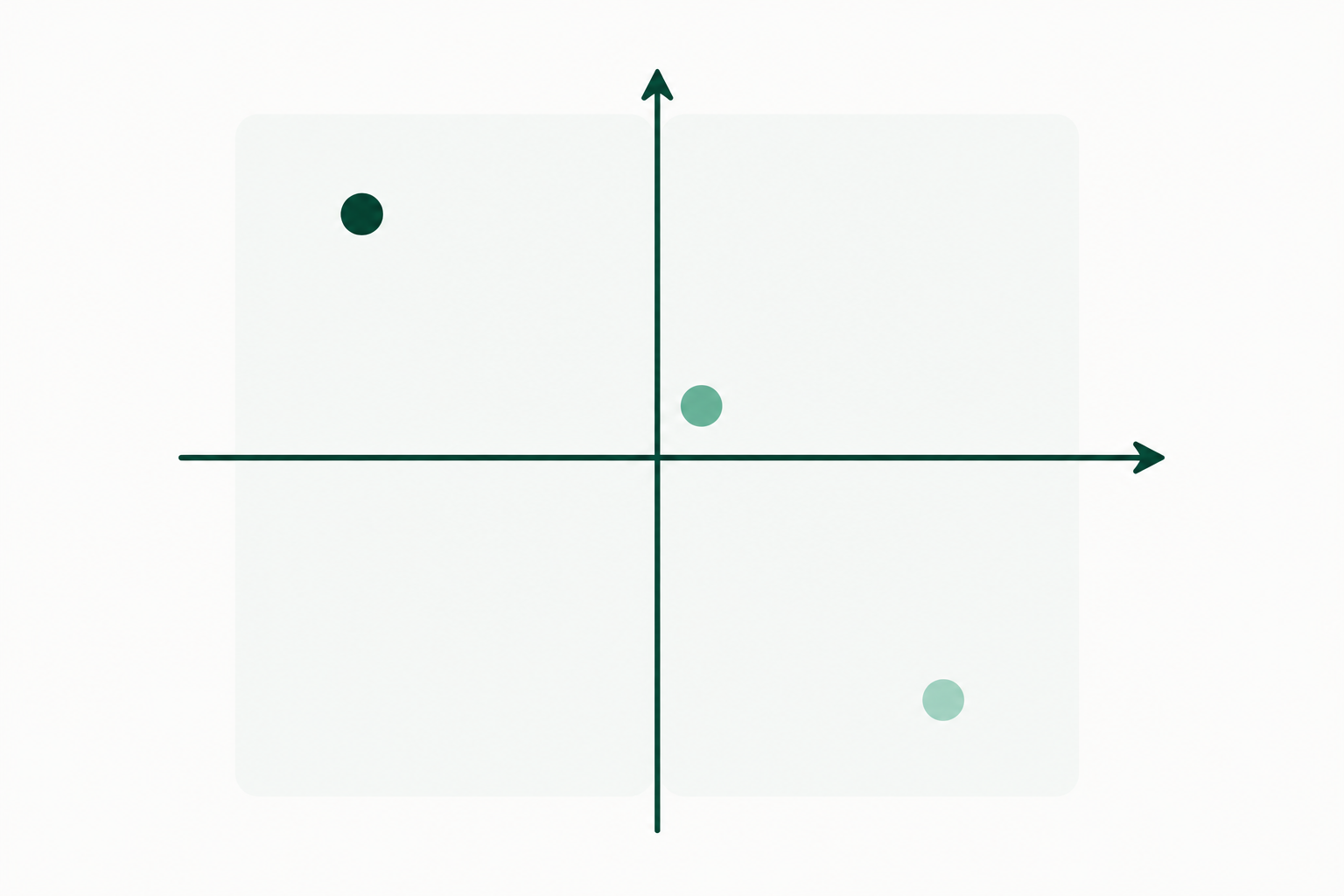
Which should you choose?
Match the route to what you actually need. If the car is sound and you have time, private sale wins on money. If you’re buying another car and value simplicity, part-exchange is fine as long as you check the new-car discount separately. If you need it gone, or it has a fault, an instant buyer is usually the honest best answer.
Clean car, full history, no rush
No trader’s margin to lose, and the car will show well to a private buyer.
Sell privately. This is where the extra £1,000–£2,000 lives.
Buying another car, want it simple
One transaction saves real time — but the price is softer.
Part-exchange is fine. Check the new-car discount as a separate number.
Needs to go fast, or has a fault / failed MOT
Private buyers are scarce and wary; hassle eats any price advantage.
Take an instant-buyer offer. Fastest, and often nets most after the hassle.
See what your exact car is worth across all three routes, so you can compare like for like before you commit.
Value my carSelling a car with a fault
A fault swings the decision hard towards an instant buyer. Private buyers discount heavily for anything wrong, or walk away entirely, and a failed MOT makes a private sale close to impossible because the car can’t be driven for a viewing. A trade buyer prices the fault in and still takes the car.
Before you decide, work out whether fixing it first pays: sometimes a cheap repair lifts the price by more than it costs, often it doesn’t. Our repair or sell guide runs that maths, and selling a car with faults covers what to expect from each route when something’s wrong.
How to decide in four steps
-
Get a valuation across all three routes
Start with a free valuation so you’re comparing trade, part-exchange and private on the same car, not guessing.
-
Put a price on your time
Private selling can take weeks of messages and viewings. If the gap to an instant offer is small, the fast route may be worth more than it looks.
-
Be honest about any fault
A live fault or failed MOT usually rules out a smooth private sale. Price the repair first with our repair or sell guide, then choose.
-
If part-exchanging, split the two numbers
Judge the trade-in figure and the new-car discount separately, so a big allowance can’t disguise a small saving.
Compare like for like. A part-exchange offer inside a new-car deal, a same-day instant price, and a private asking price are three different numbers — line them up against the same valuation before you decide which route wins.
FAQ
Is a private sale always worth more than a trade-in?
Usually, yes — a private sale cuts out the trader’s margin, so it pays the most, often £1,000–£2,000 more than an instant buyer on an average car. The exception is a car with a fault or a failed MOT, where private buyers are scarce and the hassle can wipe out the price advantage.
Is part-exchange a rip-off?
No, but it pays for convenience. A part-exchange figure is usually below a private sale price because the dealer takes on the job of selling the car again. It’s a fair trade for simplicity — just check the discount on the car you’re buying separately, so a generous allowance isn’t hiding a thin deal.
Which is the fastest way to sell a car?
An instant online buyer or a trade buyer is fastest, often completing within a day or two, with the car collected and paid for quickly. Part-exchange is also fast because it’s part of buying your next car. A private sale is the slowest, taking days to weeks depending on the car.
How much more can I get selling privately?
On an average car the gap between an instant-buyer offer and a private sale is often £1,000–£2,000. It’s wider on desirable, well-kept cars and narrower on older or faulty ones — so the extra money is worth most on a clean car you have time to sell properly.
Can I sell a car on finance?
You can, but the finance has to be settled first — the car isn’t fully yours until it is. Many instant buyers and dealers will settle the outstanding amount as part of the deal and pay you any difference, which is one reason the trade route can be simpler when there’s finance involved.
Should I repair my car before selling it?
Only if the repair adds more to the sale price than it costs. A cheap, visible fault can be worth fixing; a big mechanical bill usually isn’t, and you’re better selling to a trade buyer who takes it as-is. Our repair or sell guide runs the numbers for your car.
Do I need an MOT to sell my car?
Not to sell it — you can sell a car with no MOT or a failed one — but it will be worth less and a private buyer can’t legally drive it away. A trade or instant buyer will still take it, pricing the missing MOT in, which makes that route the practical choice.
What paperwork do I need to sell my car?
The V5C logbook is the essential document, plus your service history and any receipts, which help the price. You’ll complete the V5C to transfer ownership and tell the DVLA. Whichever route you choose, having the history ready makes the sale smoother and can lift the figure.